
Last updated October 15, 2026
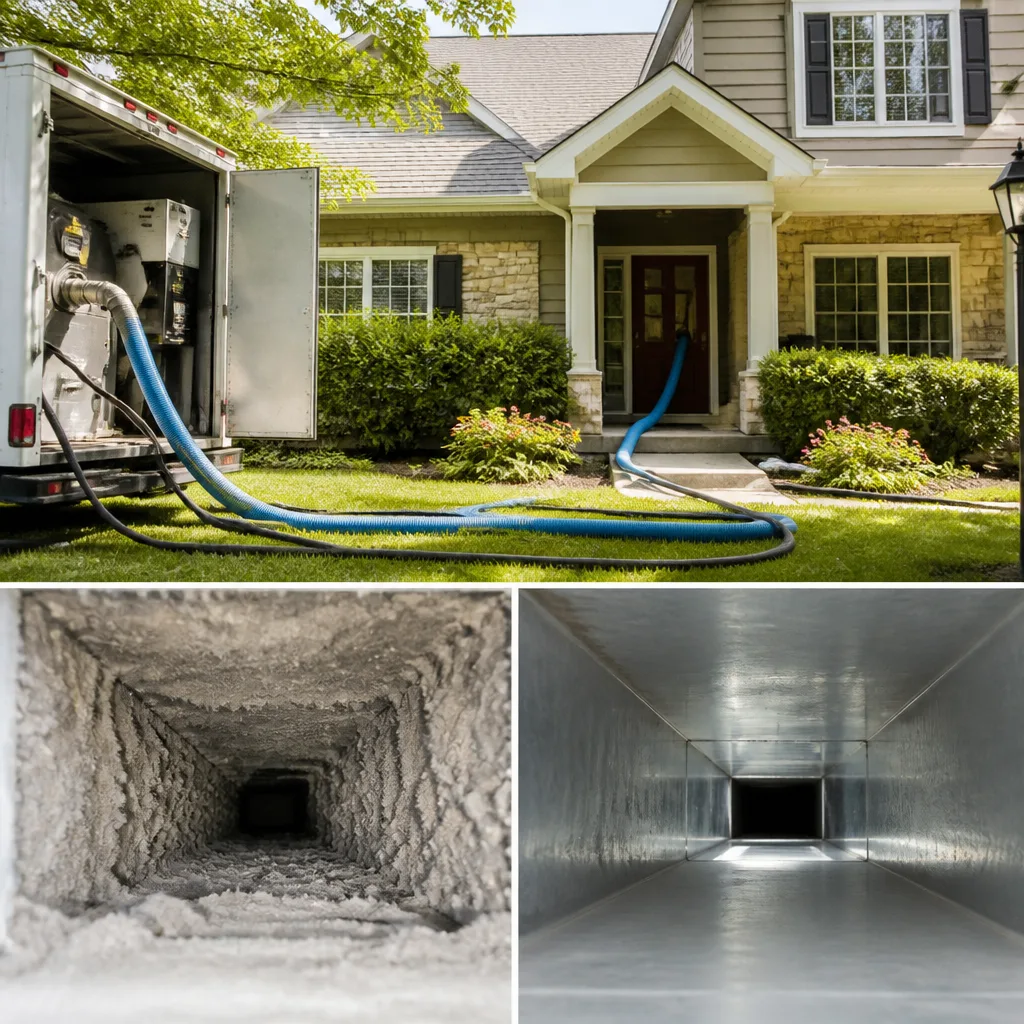 Whole-home duct cleaning
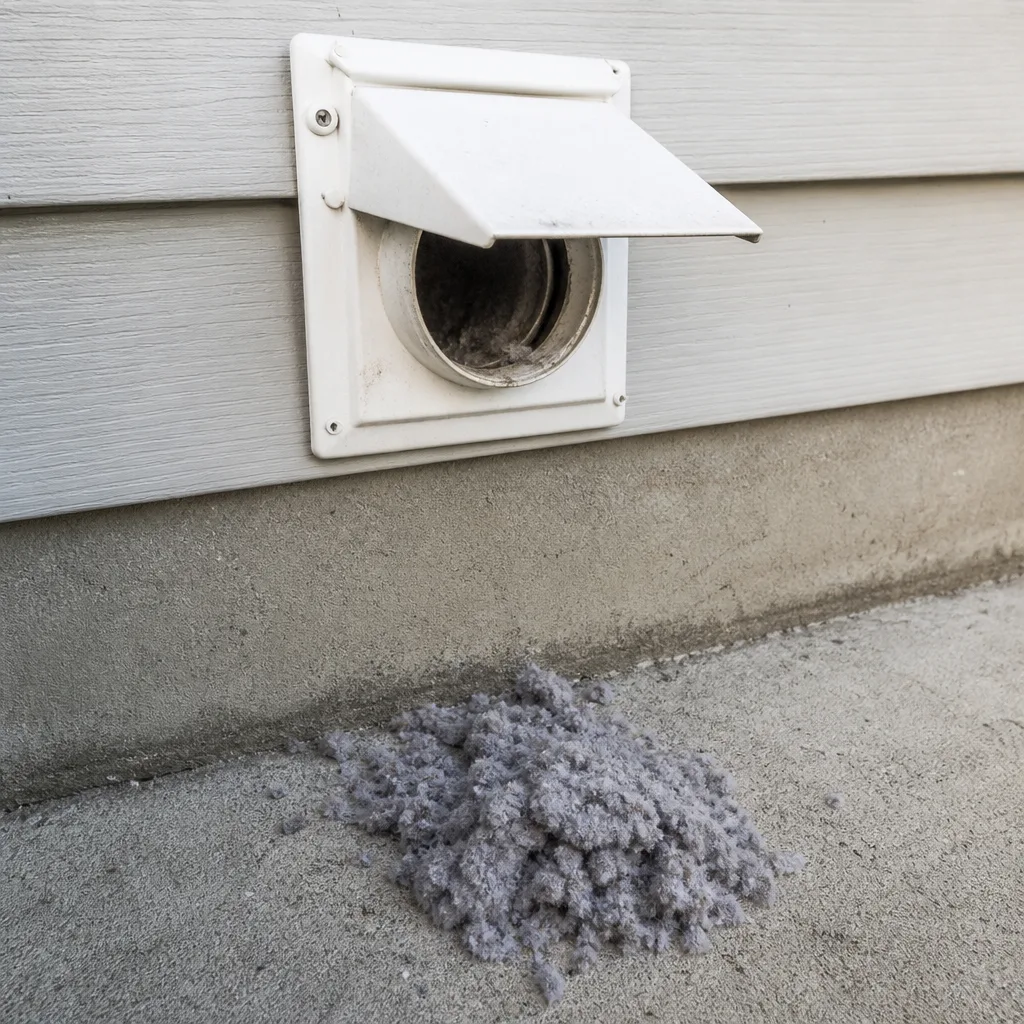 Dryer vent cleaning
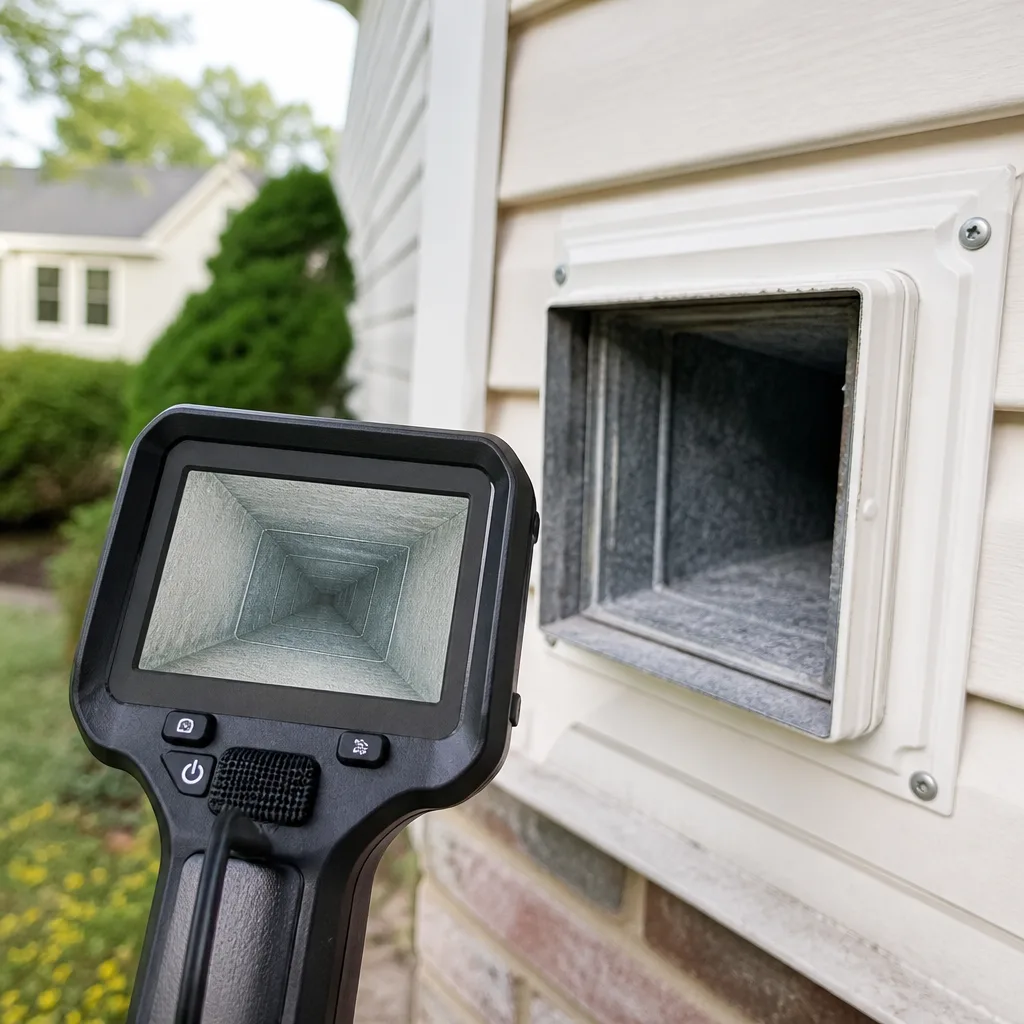 Camera inspection
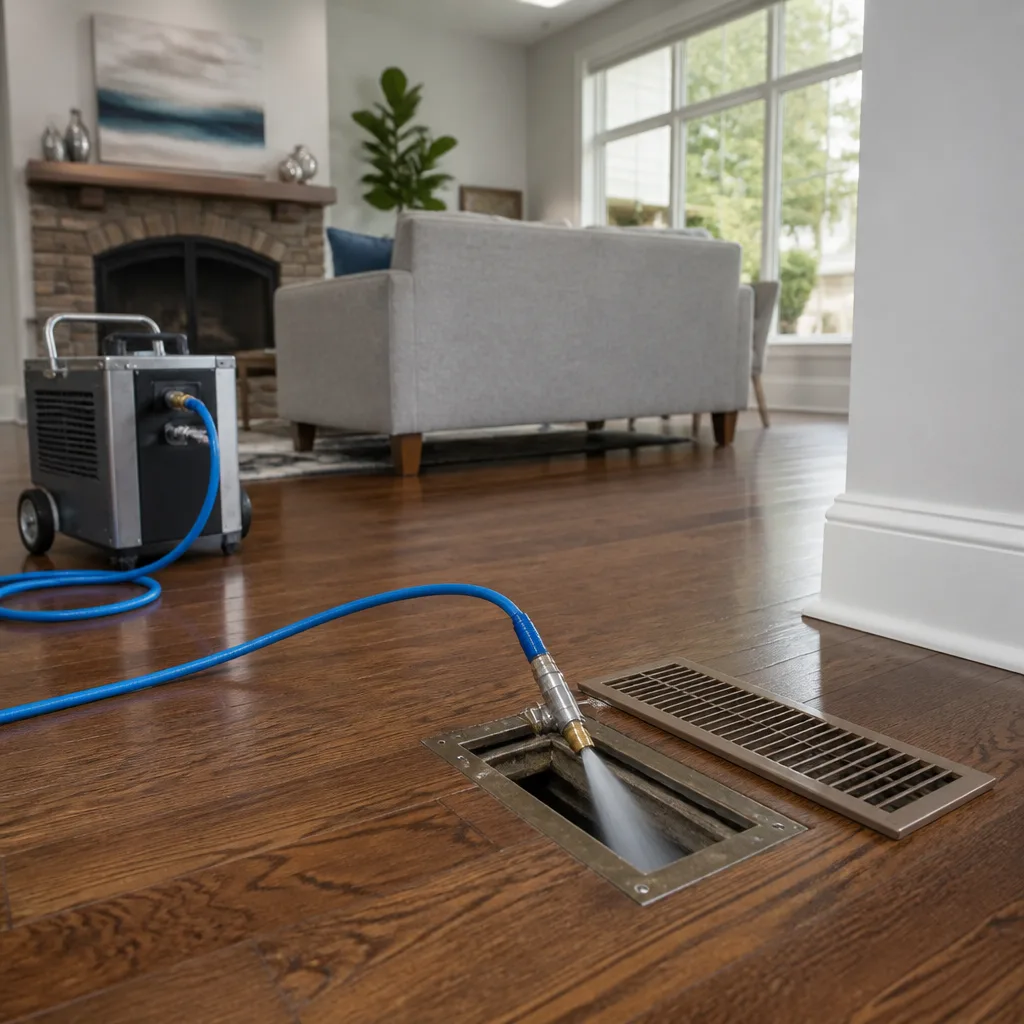 Sanitizing & deodorizing
Whole-system duct and dryer vent check with before-and-after photos - you see exactly what came out of your vents
That "$99 whole-house special" is a bait ad - the real number appears once they are in your hallway, or the "clean" is a shop-vac at the register. We photograph the inside of your ducts before and after instead.
Air Duct Cleaning Maintenance Checklist for Las Vegas Homeowners
Here’s something most Las Vegas homeowners never think about until it’s too late: you have no photographic record of what your ducts looked like before you hired a cleaning company. If a technician punctures a flex duct run in your attic or leaves a register boot unsealed, you have no baseline to argue from. Without documentation, you’re stuck with a repair bill for damage you didn’t cause and can’t prove. This guide gives you a maintenance checklist built around evidence: what to photograph, what to log, what to check monthly, and how to verify the work was actually done. It’s written for Las Vegas specifically, where our dust isn’t like anywhere else in the country, and where your ducts face a set of conditions that demand a different kind of attention.
Quick Answer
The core Las Vegas air duct maintenance checklist has four parts: document your ducts before any cleaning (photographs, filter static pressure, visible damage notes), perform monthly visual checks at registers and return grilles especially after dust storms, follow a Las Vegas-specific filter replacement schedule tied to haboob season and peak cooling months, and run a 15-minute post-cleaning verification to confirm the job matched the description. Duct cleaning in Las Vegas typically costs $350 to $750 for a whole system depending on home size, number of returns, and contamination level, and most homes genuinely need it every 3 to 5 years, not annually. If you’re uncertain about where to start, Air Duct Cleaning in Las Vegas is our full guide to what the service includes and what it should cost.
Styles & brands we work with
Table of Contents
- Before-Cleaning Documentation Checklist: What to Photograph and Measure Before Any Technician Arrives
- Monthly Visual Checks: What to Look For at Registers, Return Grilles, and the Air Handler
- The Las Vegas Filter Replacement Schedule: Timing Changes Around Haboobs and Heat
- How to Log Duct Performance Over Time Using Utility Bills and Comfort Complaints
- Post-Cleaning Verification: A 15-Minute Check to Confirm the Job Was Done as Described
- Dust Storm Recovery: What to Do After a Haboob Rolls Through Las Vegas
- Signs of Duct Damage Between Cleanings: When to Repair Instead of Clean
- Common Mistakes to Avoid
- When to Call a Professional
- Frequently Asked Questions
Before-Cleaning Documentation Checklist: What to Photograph and Measure Before Any Technician Arrives
The single most valuable habit a Las Vegas homeowner can develop is documenting the condition of their ducts before anyone touches them. We’ve seen homeowners lose legitimate damage claims because they couldn’t prove a tear in flex duct wasn’t there before the cleaning crew arrived. Our technicians at Linden Air Duct Las Vegas follow the Threshold Standard, which means every tech is background-checked, identity-verified, and introduced to you by name and photo before the visit. But even with a verified tech, your own documentation protects you and gives you a reference point for future maintenance decisions.
Here’s the before-cleaning checklist we recommend to every homeowner:
- Photograph every register and return grille. Use your phone. Take a photo of the face of each register with the grille on, then remove the grille (it’s usually held by two screws) and photograph the opening. You’re looking for visible dust accumulation, debris, mold staining, or damage. Date-stamp these photos or add them to a folder with a note.
- Photograph the air handler closet. Open the door to your air handler or furnace closet. Take a wide shot showing the unit, the filter slot, the return plenum, and any visible duct connections. Then take close-ups of the filter and the area around it.
- Photograph accessible duct runs. In many Las Vegas homes, ducts run through the attic. If you can safely access a ladder and peek into the attic without walking on joists, photograph what you can see: flex duct runs, metal trunk lines, connections at the plenum. Never walk across attic insulation if you can’t see the joists – a fall through the ceiling is a real risk.
- Measure filter static pressure. This requires a $30 to $60 manometer or a smart thermostat that reads static pressure. If you don’t have one, a visual check of filter condition is the minimum. Record the date, the filter type, and what you observe. High static pressure before a cleaning can indicate a blockage deeper in the system.
- Note every comfort complaint. Write down which rooms run hot or cold, which registers seem weak, and any unexplained dust accumulation on furniture. This becomes your baseline for comparing after the cleaning.
- Record filter condition with a timestamp. Take a photo of the old filter before it’s replaced. A filter that’s completely caked after 30 days tells a different story than one that’s still clean after 90.
Keep these records in a folder on your phone or a simple notebook. The goal isn’t to build a legal case against anyone. It’s to create a factual record that protects you and helps any technician understand your system before they start. If you call us for an estimate, we’ll ask about what you’ve observed – and your notes will make that conversation far more productive. For a full breakdown of what our cleaning process includes at each register and return, see our Air Duct Cleaning in Las Vegas service page.
Monthly Visual Checks: What to Look For at Registers, Return Grilles, and the Air Handler
Monthly checks take about 10 minutes and require no tools beyond a flashlight and your phone camera. The point isn’t to fix anything; it’s to notice changes before they become problems. In Las Vegas, our duct environment is brutal: single-digit humidity dries out sealant, attic temperatures in August hit 140°F plus, and fine desert silt works its way into every seam and gap. Monthly observation is how you catch a failing connection before it becomes a full duct blowout.
Here’s the monthly routine, in order:
- Check all registers and return grilles visually. Look for dust streaking on the wall above or around the register, which indicates air escaping around the register boot rather than going through the grille. Feel for air leaking around the edges when the system runs. Listen for whistling or rattling.
- Remove and inspect two or three supply registers. Pick the ones in the rooms you use most. Look down the register boot with a flashlight. You’re looking for visible dust, debris, or any sign of pests. In Las Vegas, roof rats and scorpions both find their way into duct systems far more often than homeowners expect.
- Inspect the return grille or filter grille. The return is the most telling point in the system. Dust accumulation there tells you how much the filter is catching versus what’s getting through. If the return grille is coated in dust while the filter is relatively clean, you have a bypass problem: air is flowing around the filter, not through it.
- Look at the air handler closet. Check for water stains on the platform or floor under the unit, rust on the cabinet, or a musty smell. These indicate condensation problems or a possible clogged drain pan.
- Run the system and walk the house. With the fan running, check every register for airflow. A register that’s clearly weaker than the others, or one that was fine last month but isn’t now, is your first sign of a duct separation or collapse somewhere in the run.
- Take one photo of anything that looks off. If you see something unusual, photograph it with a date reference. Even if you don’t call anyone yet, the record matters.
Monthly checks like these are designed to catch the slow degradation that happens between cleanings. They don’t replace professional work; they schedule it intelligently by showing you exactly when it’s needed. In our experience cleaning ducts across Las Vegas neighborhoods from Summerlin to Henderson to North Las Vegas, the homes with the best-maintained systems are always the ones where someone simply pays attention. If you find consistent dust streaking at registers, it’s often a sign that a cleaning alone won’t solve the problem – you may need Air Duct Repair in Las Vegas to seal the leaks at the register boots or replace deteriorated flex duct.
The Las Vegas Filter Replacement Schedule: Timing Changes Around Haboobs and Heat
Generic advice says replace your filter every 90 days. That’s wrong for Las Vegas on two fronts: our dust-loading is seasonal, and our run hours are extreme. A fixed quarterly schedule ignores both, and homeowners pay for it in either wasted filters or a clogged coil. Here’s the schedule that actually matches how Las Vegas air moves.
Las Vegas dust follows a predictable pattern. Late June through September brings monsoon moisture and haboobs, the dramatic dust walls that sweep across the valley and dump fine silt on everything. March through May is windy season, with consistent afternoon gusts kicking up dry lake-bed dust from the west and southwest. November through February is the quietest period for airborne dust, but it’s also when we run heat, which pulls different sizes of particulate through the system. And from May through October, your AC runs for hundreds of hours per month, moving more air through the filter than a furnace in Minneapolis sees in a year.
Here’s the filter schedule we recommend to Las Vegas homeowners:
- Standard 1-inch fiberglass or pleated filters: Replace every 30 days during March through October. This covers windy season, monsoon season, and peak cooling months. During November through February, replace every 45 to 60 days.
- 4-inch media filters (the thicker style in a filter cabinet): Replace every 3 to 4 months during March through October, and every 6 months during winter.
- If a haboob rolls through: Check the filter within 48 hours regardless of the schedule. A single good dust storm can clog a filter that was new two weeks earlier. We’ve pulled filters after haboobs that looked like they’d been in service for a year.
- If you live near active construction or on the valley’s west edge: Replace more aggressively. Construction dust from new home builds in areas like Skye Canyon and Inspirada is fine enough to pass deeper into the duct system, and homes near the Red Rock escarpment get the full force of spring winds off the desert floor.
Use a filter with a MERV rating appropriate for your system. For most Las Vegas homes, MERV 8 to MERV 11 balances filtration quality with airflow resistance. Going too restrictive on a system with undersized ducts will raise static pressure and reduce cooling performance. If you’re buying filters from a home center, buy them in bulk – you’ll replace them far more often than the national average, and running out is a common reason homeowners run a clogged filter for months. Air quality products from brands like Honeywell and Aprilaire offer upgraded filtration options if you want better particulate capture, especially during dusty seasons, without overloading your system’s airflow capability.
Keeping the filter on a disciplined Las Vegas schedule has direct effects on duct cleanliness. A filter that’s maintained properly catches dust before it enters the ductwork. A filter that’s neglected allows the dust into the system, where it coats every bend and joint in the duct run. If you’ve already got years of accumulated dust inside your ducts, a new filter schedule alone won’t remove it – that’s where a professional cleaning comes in. But once the system is clean, the filter schedule is what keeps it that way.
How to Log Duct Performance Over Time Using Utility Bills and Comfort Complaints
Duct systems fail in increments. A small separation at a joint lets conditioned air bleed into a 140°F attic all summer, and the first sign you notice isn’t a problem at all – it’s a bill that’s $40 higher than the same month last year. Or it’s a bedroom that’s 5°F warmer than the rest of the house, and you attribute it to the afternoon sun on that wall. By the time the problem is obvious, you’ve been paying to cool your attic for months.
This is why a maintenance checklist for Las Vegas ducts should include a simple performance log. It doesn’t need to be elaborate. A notebook page or a note on your phone works perfectly. What you’re tracking is a pattern, not a single data point.
Here’s what to log each month:
- Your NV Energy bill. Compare it to the same month last year, not last month. Weather-normalize it mentally: if this July was 2°F hotter on average than last July, your bill should be higher. If it’s dramatically higher without a weather explanation, start looking at system efficiency.
- Room comfort complaints. Write down which rooms feel warm or cold when the system runs. Include the date, the time of day, and the outdoor temperature. A room that’s fine in the morning but 6°F warmer by 4pm points to a different problem than one that’s consistently warm all day.
- How long the system runs. If you have a smart thermostat, check monthly run-hour reports. A steady increase in total runtime to hold the same setpoint means your system is losing efficiency – and in a ducted system, leakage is one of the most common causes.
- Dust accumulation on surfaces. Note how quickly furniture and window sills get dusty after cleaning. An increase in visible dust settling even with the filter maintained suggests dust is bypassing the filter or entering through duct leaks.
- Any new sounds. A faint whistle that appears at a register, a rattling you hear when the fan starts, a thumping in the attic – log each one with the date you first noticed it.
The log becomes useful when you look at three to six months of entries. Patterns emerge that no single observation would reveal. A bedroom that’s been slowly getting warmer month over month while your bill creeps up tells you the duct run to that room is losing more air each month. The log is also, frankly, useful when you talk to a technician. Instead of describing a vague sense that something’s wrong, you can show exact dates and descriptions. If you’re scheduling a service visit for a suspected problem, having this log in hand will help any technician diagnose faster and more accurately. Or you can call us at (725) 726-5532, describe what you’ve logged, and we’ll tell you honestly whether a cleaning, a repair, or something else entirely is what’s needed.
Post-Cleaning Verification: A 15-Minute Check to Confirm the Job Was Done as Described
You’ve hired a company, the techs have come and gone, and now you’re supposed to trust that the ducts are clean. Here’s the reality: duct cleaning happens in walls, ceilings, and attics. You can’t watch most of the work, and that’s exactly why the industry has a reputation problem. A post-cleaning verification is your check against the work description, and it takes 15 minutes.
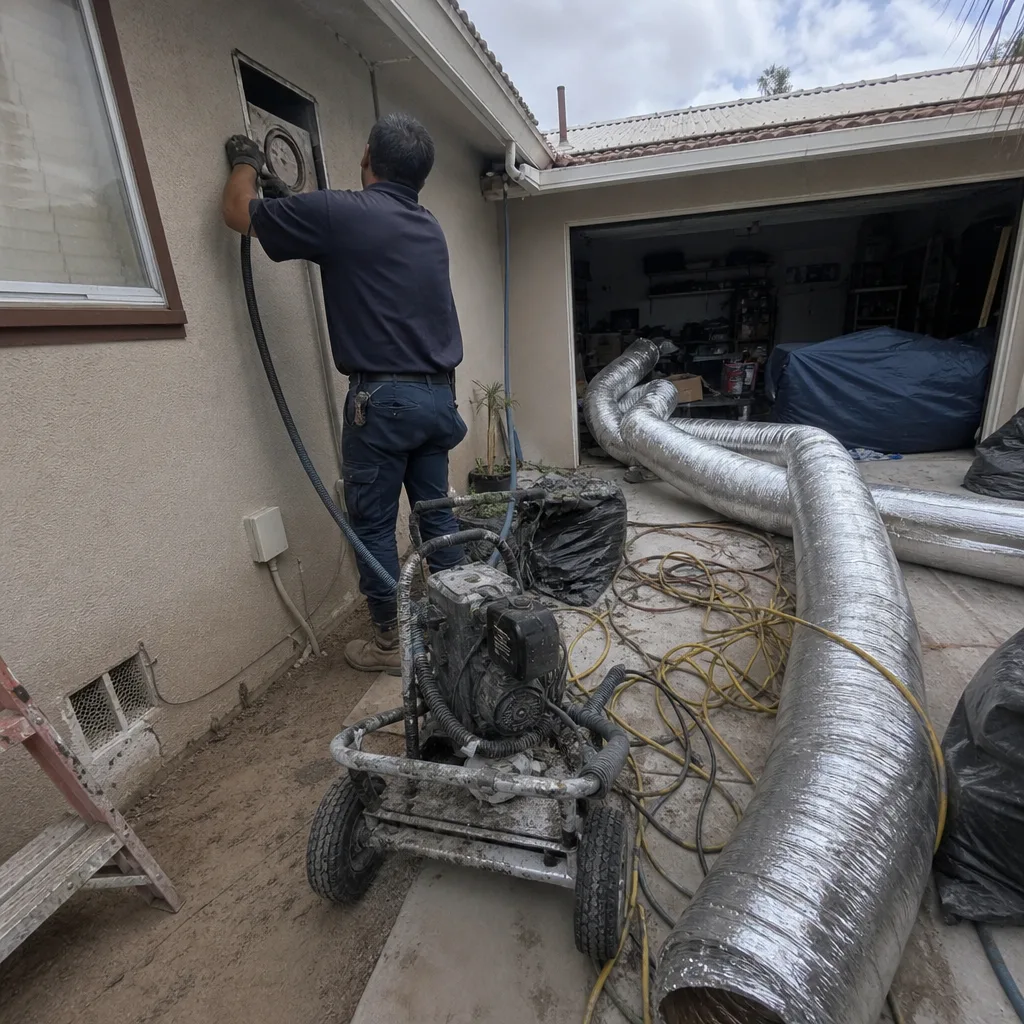
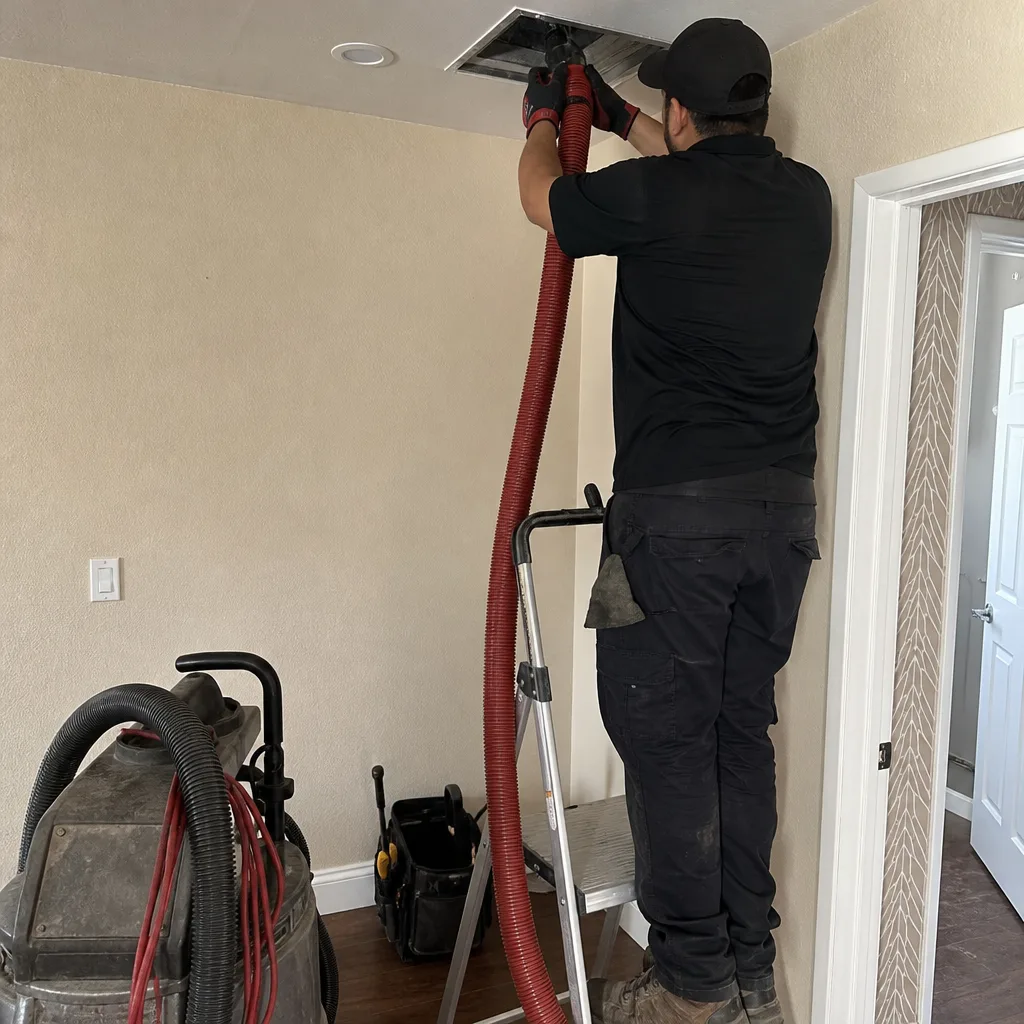
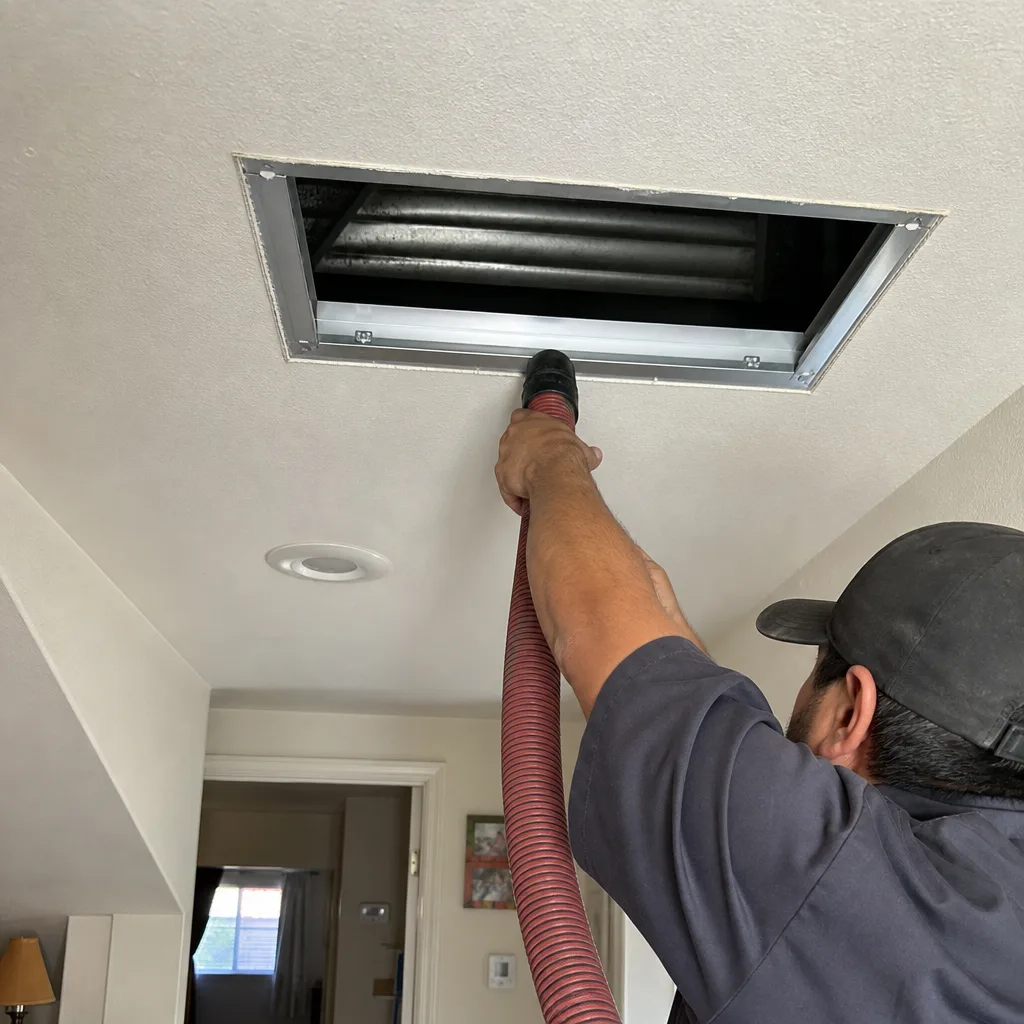
At Linden Air Duct Las Vegas, our process uses negative-pressure extraction with professional-grade equipment from Rotobrush and Nikro. The system connects to your ductwork, pulls the entire duct system under negative pressure, and agitates debris loose from every register. We photograph the interior of your ducts before and after, and because our techs arrive under the Threshold Standard with their name and photo sent in advance and a photo ID badge shown at the door, you know exactly who was in your home. But the verification steps we recommend work no matter who you hire.
Here’s the post-cleaning verification checklist:
- Ask for before-and-after photos. An honest company will have them. If they won’t show you the interior of your ducts after the cleaning, that’s a red flag. At minimum, ask to see the debris collected by the vacuum system.
- Visually inspect each register and the return. Remove the grille from three or four supply registers and the main return. Use your flashlight. You should see clean metal or clean duct interior. There may be a small amount of dust that re-settled, but it should look dramatically different from before.
- Check that all registers are reattached. Every grille should be firmly attached with no gaps, no wobble, and no visible caulk missing. This is a small thing, but loose registers are a common sign of sloppy work.
- Run the system for 10 minutes and check airflow. Every register should flow air at roughly the same relative strength as before the cleaning. If a register is now weak, the agitation may have dislodged debris that’s partially blocking that run, or a connection was disturbed.
- Check your filter. After a real cleaning that used negative-pressure extraction, the filter should not be full of newly loosened dust. If it is, debris collected in the ducts was not fully removed.
- Listen for anything new. A cleaning that’s done correctly should not create new noises. If you now hear a whistle at a register or a rattle in the attic, a connection or seal may have been disturbed.
If any of these checks fail, call the company immediately. The longer you wait, the harder it is to establish that the issue stems from the cleaning. Our 365-Day Done Right Promise exists for exactly this reason: if the work is not right, we make it right, backed in writing on every job. Not every company offers that, which is why the verification step matters so much. You need to know before too much time passes whether the job was done as described. If you hired someone else and the work isn’t holding up, you can call us at (725) 726-5532. We’ll help you figure out what happened, and if a second cleaning or repair is needed, we’ll put a written price in front of you before any work begins.
Dust Storm Recovery: What to Do After a Haboob Rolls Through Las Vegas
Haboobs are one of the few things about Las Vegas that still surprise newcomers. A wall of dust a thousand feet high, moving at 40 miles per hour, dumping fine silt across the entire valley. And then it’s over, the sky clears, and you’re left with a fine brown coating on everything that was outside, plus a lot of dust that found its way inside even through closed windows.
After a significant dust event, your HVAC system has been pulling that dust into the return air stream. Here’s the recovery checklist:
- Check the filter within 48 hours. Even if you just replaced it. A thick dust storm can load a filter to the point of airflow restriction in a single event. Hold it up to a light: if you can’t see light through it, replace it.
- Wipe down return grilles and the surrounding wall. Fine dust clinging to the return grille face is a sign of high particulate loading. Wiping it down prevents it from being drawn in on the next cycle and keeps your filter from loading faster.
- Check registers for dust streaking. After a storm, dust that got into the duct system may show up as fine streaks on walls near supply registers. This is an early indication that dust has entered the ducts beyond the filter.
- Run the system and note any odor. Fine desert silt can produce a distinct dry, earthy smell when the system runs. If the smell persists for more than a few days, dust has likely settled inside the duct interior and may need professional removal.
- Vacuum around the air handler. Dust pulled into the closet or garage where your air handler sits can be drawn into the cabinet and coat components. Keep that area clean after dust events.
If you live in an area downwind of open desert during these events – communities like Mountain’s Edge, Southern Highlands, and the far west side of Summerlin get more of this than the central valley – you’ll want to be more aggressive with post-storm checks. Repeated dust events over several years are how the interiors of Las Vegas ducts end up with a half-inch of fine silt coating every surface. A good cleaning can remove it all at once. Our Linden Air Duct Las Vegas home page explains what our service covers and what makes our approach different from the low-ball crews you’ll see advertised.
Signs of Duct Damage Between Cleanings: When to Repair Instead of Clean
Duct cleaning removes contamination. It doesn’t fix structural problems, and in Las Vegas, structural problems are common because of how our homes are built. Flex duct runs through unconditioned attics that regularly exceed 140°F in summer. The outer jacket and inner liner of flex duct degrade under that heat. Connections at plenums and register boots loosen as the metal expands and contracts. And roof rats, which are a persistent problem across the Las Vegas valley, chew through flex duct with alarming regularity.
Here are the signs that indicate you need repair, not just cleaning:
- A register that suddenly has no airflow. If a room that used to cool fine now gets almost no air, the duct run to that room has likely separated, collapsed, or been chewed through. Cleaning won’t fix this.
- Dust streaking above a register on the wall. This means air is escaping around the register boot, blowing attic dust into the room through the gap. The fix is sealing the boot properly.
- A musty or hot smell from a specific register. If one register smells different from the others, you’re likely pulling attic air through a leak in that run. In Las Vegas attics, that air is 140°F and full of dust.
- Visibly crushed or kinked flex duct. If you can see into your attic and notice a flex duct run that’s kinked or crushed, airflow through that run is restricted. The fix is replacement or re-routing.
- Higher bills with no other explanation. Significant duct leakage means you’re losing conditioned air into the attic. A 20% leak rate isn’t unusual in older Las Vegas homes, and it adds up quickly on an NV Energy bill.
None of these conditions will improve with cleaning. If you suspect any of the above, our Air Duct Repair in Las Vegas page walks through what repair involves and what it should cost. Every repair we do is covered by a written guarantee with a free second visit if the repair fails. That’s not a promotional offer; it’s standard on every repair job we do.
Common Mistakes to Avoid
- Treating quarterly filter changes as a universal rule. Las Vegas dust loading is seasonal and extreme. A filter that’s fine for 90 days in a mild December will be a solid block of dust by mid-July. Check monthly and replace when loaded, not on a fixed calendar.
- Skipping the before-photos when hiring any duct cleaner. If you don’t have a record of your ducts’ condition before the work, you can’t prove damage after. This is the single most important documentation habit on this page.
- Assuming a low price means a genuine cleaning. The bait-and-switch is real in this industry, and Las Vegas sees plenty of it. A $99 whole-house duct cleaning is almost always a loss leader designed to get a tech in your door so the upselling can begin. Get a written price for the whole job before any work starts.
- Ignoring one weak register because “the house is old.” Weak airflow at one register is a symptom, not a personality trait. Duct systems in Las Vegas homes fail incrementally, and the first signs are easy to dismiss.
- Failing to verify the work after a cleaning. The 15-minute post-cleaning check we outlined above takes almost no time and tells you immediately if the job was done as described. Skipping it means you’re trusting a company you may never have worked with before.
- Running the system without a filter after a dust storm “just for a few days.” Every hour of unfiltered operation in Las Vegas pulls dust directly into your duct system and onto your coil. There is never a safe window to run without a filter.
- Choosing a filter with too high a MERV rating for your system. A MERV 13 filter in a system designed for MERV 8 will raise static pressure, reduce airflow, and potentially freeze your coil in summer. Match the filter to the system’s design.
When to Call a Professional
Some tasks on this checklist are DIY-friendly: monthly visual checks, filter replacement, wiping down return grilles, keeping a performance log. Others aren’t. Call a professional if you see mold or heavy biological growth around register openings or the air handler. Call if you hear animal activity in the attic – roof rats in Las Vegas chew through flex duct with remarkable speed. Call if multiple registers have weak airflow, if your bills are climbing without explanation, or if you’ve completed a post-storm check and found evidence that dust has entered the duct system. And call if you simply haven’t had the system cleaned in five or more years and you’re noticing dust accumulation despite your best filter discipline. Linden Air Duct Las Vegas offers free estimates in Las Vegas – call (725) 726-5532 and a live person will answer the phone, tell you what to expect, and schedule a visit with a technician whose name and photo you’ll receive before they arrive.
Frequently Asked Questions
Air duct cleaning in Las Vegas typically costs $350 to $750 for a whole system. The range depends on home size, number of returns, system accessibility, and how long it’s been since the last cleaning. A small single-story home with one return and accessible ducts will fall at the lower end. A two-story home with multiple returns and attic ducts will run higher. If a quote comes in dramatically below this range, ask exactly what’s included – the low-ball offers usually describe a superficial blow-out at a few registers and rely on upselling once the tech arrives. You can call (725) 726-5532 for an exact quote; our price is always put in writing before any work begins.
The short answer: they’re not cleaning the same thing. A $99 duct cleaning usually means connecting a vacuum to a single return and spending 20 minutes blowing air through the registers. It does not include accessing every register, agitating debris loose, or removing contamination from the full duct run. We use negative-pressure extraction equipment from Rotobrush and Nikro to pull the entire duct system under vacuum while agitating debris from each register, and we photograph the results. The price difference reflects the difference between a surface dusting and actual debris removal. If you’re considering a very low quote, ask what equipment they’re using, how long the job takes, and whether they photograph before and after.
Ask for before-and-after photos of your duct interior, check several registers yourself with a flashlight, confirm the filter wasn’t left full of loosened debris, and verify the registers are all reattached tightly. We photograph the interior of ducts during every cleaning and provide the images so you can see the difference. Our 365-Day Done Right Promise adds another layer: if the work is not right, we make it right, in writing, on every job.
For most Las Vegas homes, every 3 to 5 years is the honest interval. The National Air Duct Cleaners Association recommends every 3 to 5 years for most homes, and Las Vegas conditions fit that range well. If you keep a disciplined filter schedule, you’ll likely land at the longer end. If you have shedding pets, live near open desert or construction, or have gone years between filter changes, you may need it more often. If someone tells you it’s an annual requirement by default, that’s a sales pitch, not a maintenance standard.
Not necessarily. A single dust storm requires filter replacement and possibly a visual check of the system, but it doesn’t automatically mean your ducts need professional cleaning. If your filter was in place and properly seated, most storm dust is caught before it enters the duct system. If you check the filter within 48 hours and it’s heavily loaded, replace it and observe the system. If you notice dust streaking at registers, an earthy smell when the AC runs, or visible dust re-entering rooms, the ducts may have taken on contamination and a cleaning may be warranted.
Three things matter most: proof of who is coming to your door, a written price before any work begins, and a guarantee that’s real and specific. Our technicians are background-checked and identity-verified under the Threshold Standard; their name and photo are sent to you before the visit and they show a photo ID badge at the door. We put the price in writing before any work begins, every time. And our 365-Day Done Right Promise covers the work in writing. If a company can’t offer those three things, you’re taking on more risk than you need to.
Air duct cleaning removes accumulated dust, pet dander, and other particulates that cycle through your system and re-enter your living space. For people with dust allergies or respiratory sensitivities, removing that reservoir can make a noticeable difference in symptom control. It won’t eliminate allergens entirely – Las Vegas has plenty of blowing dust and pollen that enters through open doors and windows regardless of your duct condition – but a clean duct system stops your HVAC from continuously reintroducing old particulates into the air you breathe. Air quality products from Honeywell and Aprilaire can help with ongoing filtration if allergens remain a concern after the system is clean.
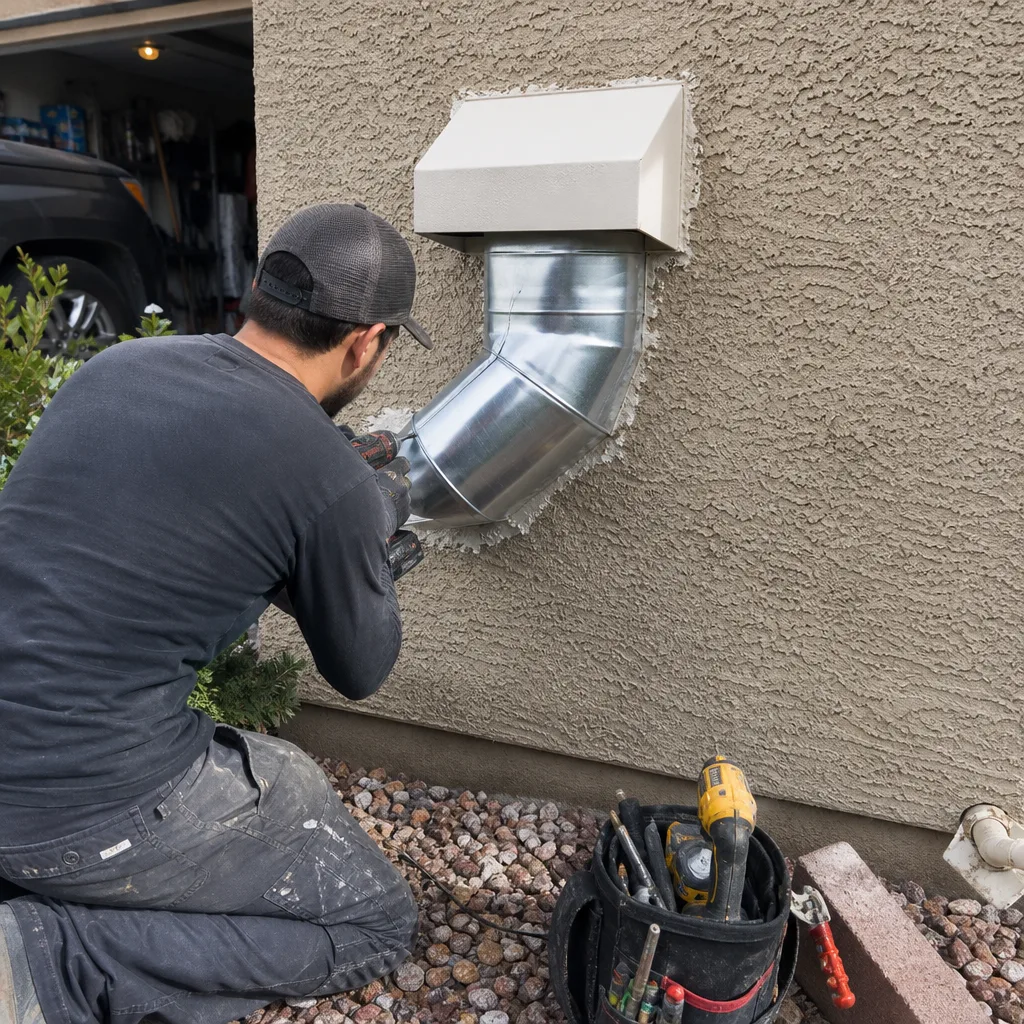
Yes, and it’s often overlooked. A restricted dryer vent pushes lint, moisture, and combustion byproducts back into the laundry area and sometimes into the house’s shared air space. It also forces your dryer to work harder and dramatically increases fire risk. Lint bypass chambers, where lint accumulates around the blower housing rather than being caught by the lint trap, are a common cause of slow dryer performance. Dryer vent cleaning is a separate service from air duct cleaning, but both affect the air quality inside your home. Our Dryer Vent Cleaning in Las Vegas page explains what the service includes and why it matters for Las Vegas homes specifically.
The Bottom Line
Las Vegas duct maintenance is a record-keeping habit as much as a cleaning schedule. Document before, observe monthly, replace filters on a desert calendar, log performance over time, and verify after any cleaning. That sequence protects you financially, keeps your system running closer to its design efficiency, and tells you with certainty when professional work is actually needed. Most homes in this valley genuinely need a full air duct cleaning every 3 to 5 years, not annually, but the homeowners who track their systems are the ones who schedule that cleaning at exactly the right moment. If you’re ready to see what’s inside your ducts, call (725) 726-5532 for a free estimate. You’ll get a written price, a technician you can identify before they arrive, and a guarantee in writing.
Written by Marcus Veale, Owner at Linden Air Duct Las Vegas, serving Las Vegas since 2004.
See the difference
 Before
 After
After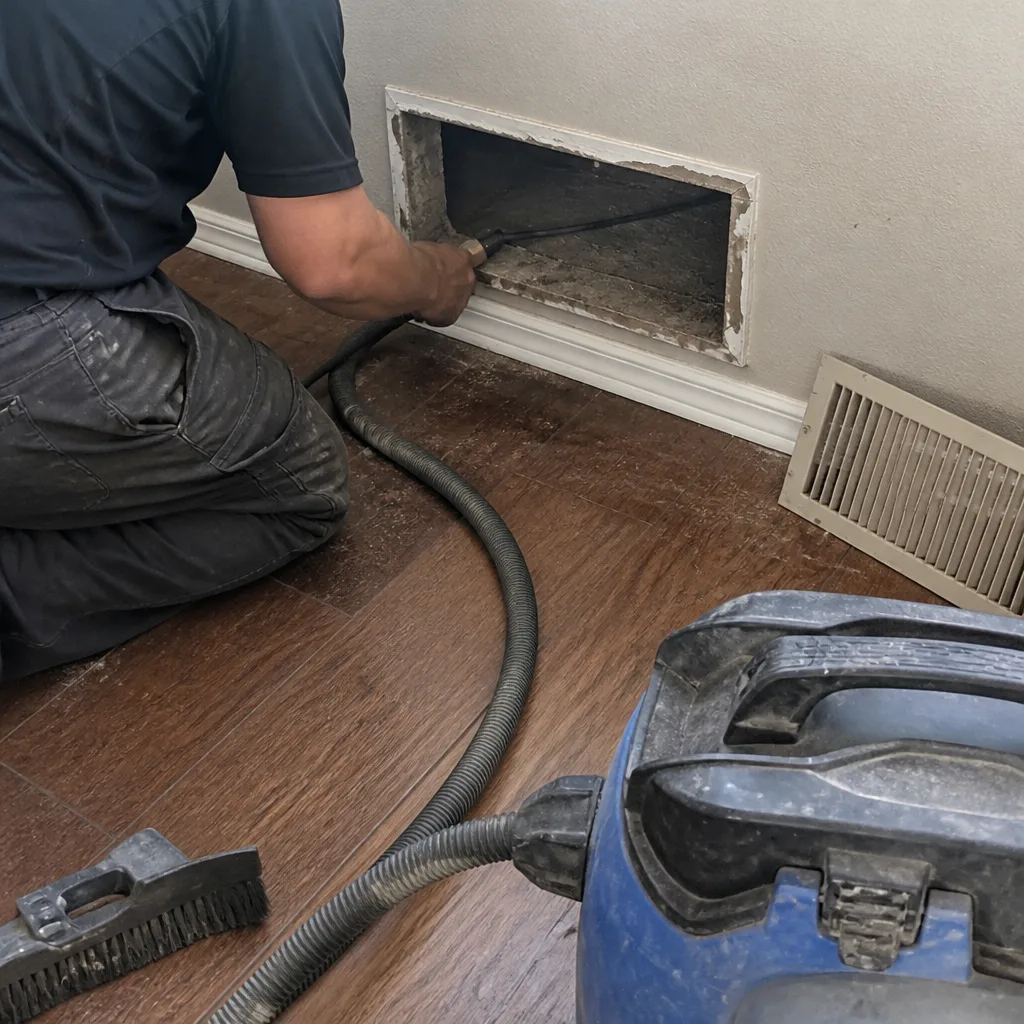 Before
 After
After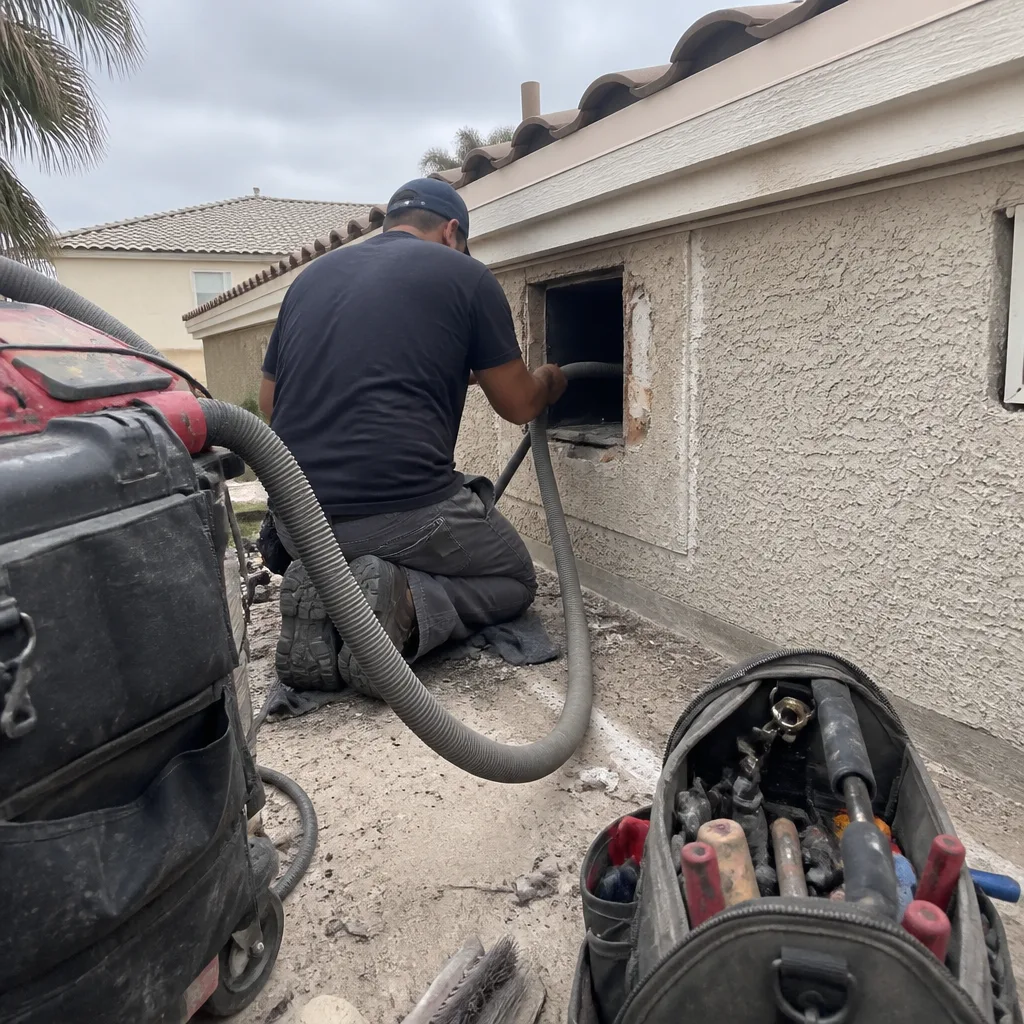 Before
 After
After